Custom Carpentry Services Northern Virginia
A room can have new flooring, fresh paint, and updated lighting yet still feel unfinished. Often, the missing piece is the woodwork: trim that does not meet cleanly at corners, a blank wall that should provide storage, or a layout that needs a built-in solution rather than another freestanding cabinet. Custom carpentry services Northern Virginia homeowners rely on address those details with work designed for the actual house, not a standard box pulled from a shelf.
Good carpentry serves two purposes at once. It improves how a space looks, but it also improves how the home functions every day. That may mean turning an unused alcove into organized storage, adding durable shelving around a fireplace, repairing aging exterior trim, or framing the structural changes needed for a larger renovation.
What Custom Carpentry Can Solve in Your Home
Custom carpentry is not limited to decorative finish work. It covers a wide range of practical and structural needs, from the framing behind walls to the final details homeowners see and touch. The right scope depends on the age of the house, the condition of existing materials, and how the space will be used.
Built-in bookcases, media centers, window seats, mudroom storage, pantry shelving, and home-office cabinetry are common requests in Northern Virginia homes. These features can make a room work harder without adding square footage. A built-in can follow an uneven wall, work around a window or vent, and match the proportions of the room in ways that prefabricated furniture rarely can.
Finish carpentry includes crown molding, baseboards, door and window casing, wainscoting, stair components, ceiling details, and custom mantels. These elements create visual continuity between old and new portions of a home. In an older property, matching an existing profile may matter more than choosing the most elaborate option. In a newer home, clean-lined trim may better support a modern remodel.
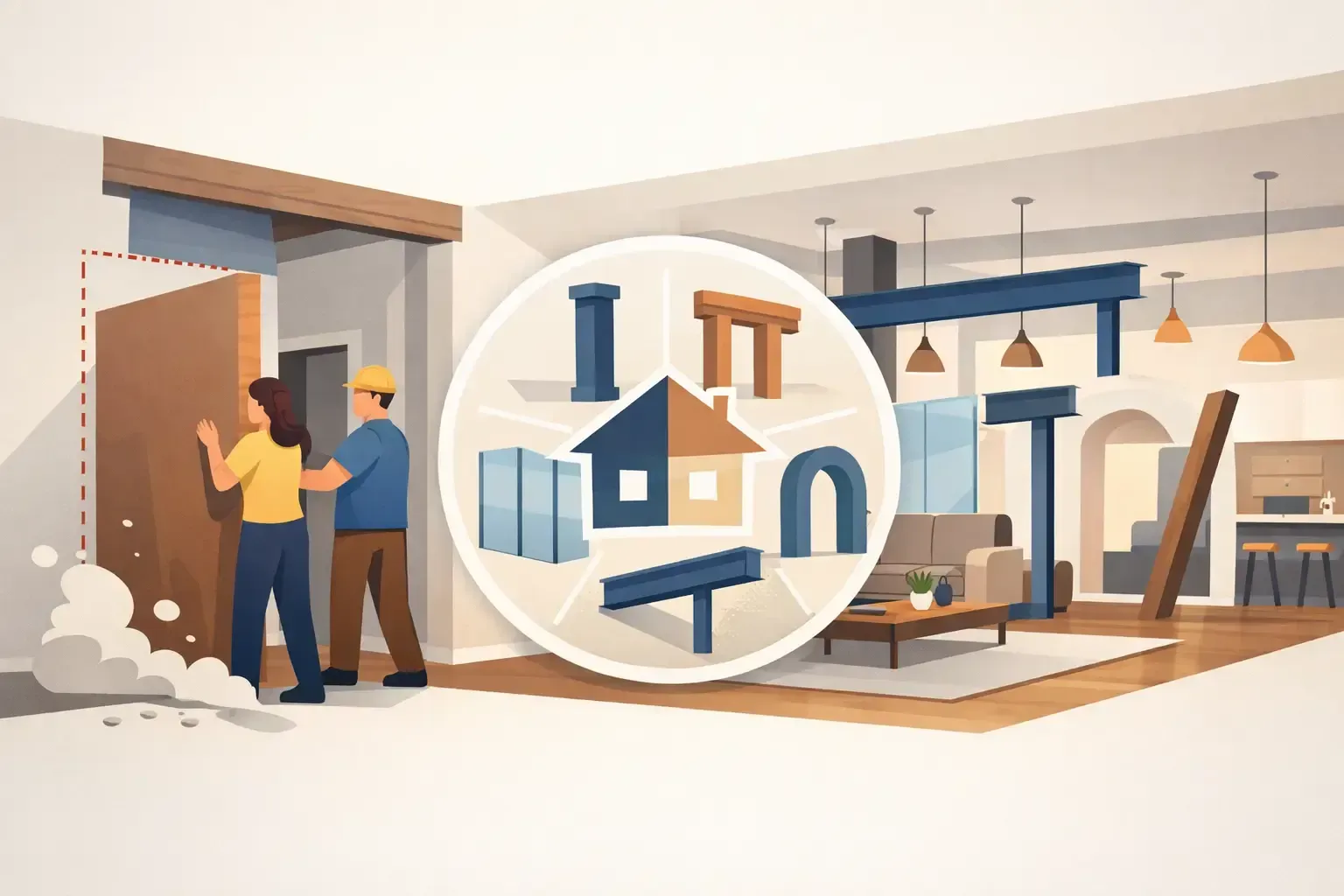
Carpentry also plays a critical role in renovations that involve framing. Moving a wall, opening a kitchen to an adjacent room, finishing a basement, or adding a bathroom can require new partitions, headers, blocking, and framing corrections. This is where appearance cannot be separated from performance. The finished room is only as dependable as the structure and preparation behind it.
Custom Carpentry Services in Northern Virginia Need Careful Planning
Northern Virginia has a broad mix of housing stock, including older brick homes, mid-century properties, townhouses, newer planned communities, and estate residences. That variety affects carpentry work. Walls may be out of plumb, floors may have settled, existing trim may be discontinued, and hidden conditions can appear after a wall is opened.
A responsible contractor begins by measuring the actual space and reviewing the surrounding construction. For built-ins, that includes checking wall depth, outlets, HVAC registers, window clearances, door swing, and access for installation. For structural work, it means identifying load paths and determining whether engineering, permits, or additional support are needed.
This planning protects both the budget and the finished result. A low initial price can become expensive if it ignores necessary wall repair, electrical relocation, material upgrades, or site preparation. Clear estimates should explain the scope, materials, finish level, and reasonable allowances before work begins. Homeowners should also understand what is included in painting, staining, hardware, demolition, and cleanup.
Choosing the Right Materials and Finish
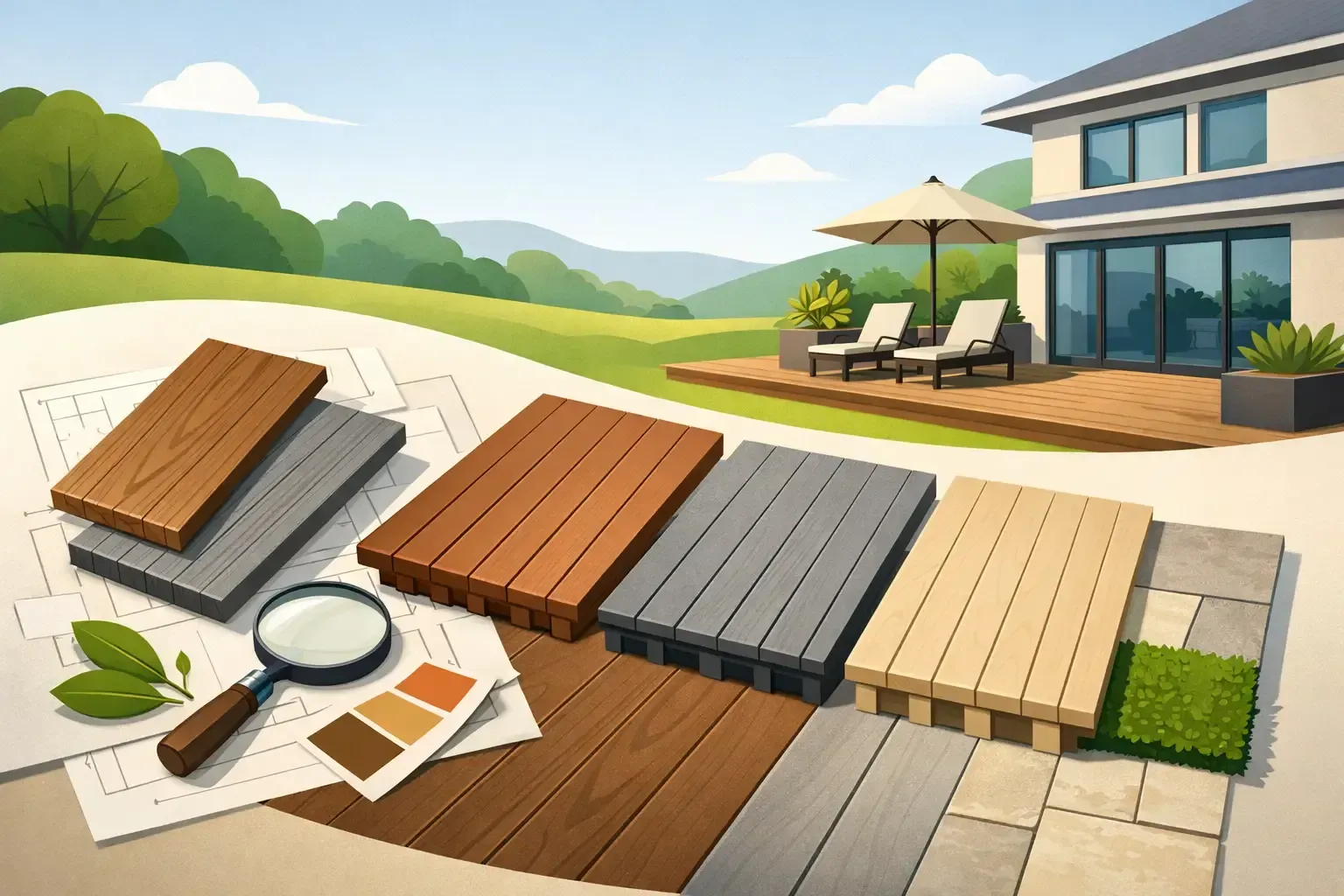
There is no single best material for every carpentry project. Solid wood offers warmth, repairability, and traditional character, but it expands and contracts with seasonal humidity. It is often a strong choice for painted or stained trim, mantels, and detailed millwork when properly selected and finished.
Plywood is a durable, stable option for many cabinet boxes and built-ins. It generally holds fasteners well and performs better than lower-grade sheet goods in areas that see regular use. Medium-density fiberboard, commonly called MDF, provides a smooth painted surface and is often well suited for interior trim and panels. However, it is not the right choice for wet locations or exterior exposure unless a product is specifically rated for that condition.
For exterior projects, material selection becomes even more important. Rot-resistant wood, cellular PVC, properly detailed composite products, and moisture-managed installation methods can reduce future maintenance. The best option depends on exposure to sun and rain, the desired appearance, maintenance expectations, and the surrounding materials. A skilled carpenter will not recommend the same product for a covered porch ceiling and a weather-exposed window surround.
Finish choices deserve the same attention. Paint-grade work can deliver a polished, consistent look at a practical price point. Stain-grade work highlights natural grain, but it requires more selective materials and careful finishing. The choice should reflect the home, the budget, and the level of visual detail you want to maintain over time.
Why Precision Matters More Than Extra Ornament
Quality carpentry is easy to recognize because it feels intentional. Reveals are consistent. Cabinet doors align. Trim transitions look clean. Shelves are level, joints are tight, and hardware operates properly. These are not minor details. They determine whether the work continues to look good after years of daily use.
Precision also matters when carpentry connects to other trades. A new built-in may need electrical outlets for lighting or charging. A kitchen renovation may require framing before plumbing, insulation, drywall, cabinetry, and finish trim can proceed. A contractor who understands the full construction sequence can coordinate those details before the finish work is installed, avoiding unnecessary rework.
That is especially valuable for projects with more than one goal. A homeowner may want a new fireplace surround, for example, but the project may also involve correcting framing, routing wiring, installing a mantel to proper clearances, and matching adjacent flooring or trim. Managing the work as one coordinated scope is more reliable than treating each detail as a separate task.
Questions to Ask Before Hiring a Carpentry Contractor
Before selecting a contractor, ask how the work will be measured, detailed, scheduled, and protected during construction. You should know who will be responsible for on-site coordination and how changes will be documented if hidden conditions or design revisions arise.
It is also reasonable to ask about licensing, insurance, experience with comparable work, and whether the contractor can manage related trades. For a simple trim upgrade, a specialty scope may be enough. For a basement finish, home addition, structural opening, or whole-room renovation, working with a Class A licensed contractor can reduce the burden of coordinating multiple vendors.
Review examples of completed work with an eye for the details that matter in your home. Look at proportions, fit around existing architecture, finish consistency, and how the project integrates with surrounding rooms. The goal is not to copy another project exactly. It is to confirm that the contractor can deliver workmanship appropriate for your property and priorities.
A Better Process for Built-Ins, Trim, and Structural Details
The strongest projects start with a practical conversation about how the space will be used. A growing family may need a mudroom that can handle backpacks, shoes, and seasonal gear. An investor may need durable trim and storage solutions that improve a property efficiently. An owner restoring an inherited home may need new work that respects original details without sacrificing modern performance.
From there, the work should move through clear measurements, defined materials, an agreed finish direction, and a realistic installation plan. During construction, protecting floors, controlling dust, maintaining a safe work area, and communicating schedule updates are part of professional project stewardship, not optional extras.
Coronado Construction & Remodeling LLC brings custom carpentry into the broader renovation process, helping homeowners coordinate framing, finishes, and related construction under one accountable team. That approach is particularly useful when a carpentry project grows into a larger improvement once the real condition of the space becomes clear.
Whether you are planning a single custom feature or preparing for a full renovation, start with the function you need the space to deliver. Clear goals, accurate measurements, and skilled installation will lead to carpentry that looks right on day one and continues to serve your home for years.